
When your child was a baby or a toddler, you likely spent many evenings reading together.
You held them close and turned the pages of their favorite books. You pointed to pictures, asked questions, and talked about the story. You knew those moments mattered because you understood that reading aloud helped build language and a love of books.

But now your child is getting older, and reading looks (and maybe feels) different.
Instead of simply sharing stories, your child is expected to learn to read the words on the page. Suddenly, your role feels different. Instead of just enjoying books together, you feel like you are supposed to teach your child something.
But you don’t remember how you learned to read, and you aren’t sure how to teach someone else to read! You worry you may accidentally teach something the wrong way and make reading harder for your child.
Today, let’s walk through why so many parents feel this way and what steps you can take to help your child become a confident reader.
Why So Many Parents Struggle to Help Their Child Learn to Read
Reading feels like something that should come naturally to humans. After all, children learn to talk just by listening to the people around them… why would reading be any different? But reading is different.
Unlike spoken language, reading does not develop naturally through exposure alone. The Science of Reading shows us that learning to read is a complex process that must be taught step by step. Children must be explicitly taught how sounds connect to letters and how words work in print.

Most parents were never taught how reading develops in the brain. So when a child is learning to read, and they need some help, parents often feel unsure of what to do.
Why Teaching Reading Feels Complicated
Part of the confusion comes from the amount of information out there.
You likely hear advice about the importance of phonics instruction and teaching sight words. Then there are terms like leveled books, decodable books, reading levels, and comprehension strategies thrown around!
It can leave you feeling like you need to sort through a whole lot of information before you can help your child. But learning to read does not require dozens of different strategies.
Research has shown that strong readers build their skills step by step. They learn to hear the sounds in words, connect those sounds to letters, blend sounds to read words, and gradually build fluency and comprehension.

What matters most is teaching the right skills in the right order, with enough practice for those skills to stick.
3 Things that Matter Most When Teaching Reading
Helping a child learn to read does not require complicated lessons or hours of work each day. What matters most is focusing on a few key principles.
- A clear sequence of skills
Children need to learn reading skills in a logical order. Before they can read words smoothly, they need to hear the sounds in words. Before they can decode unfamiliar words, they need to know which letters represent which sounds. Strong reading instruction begins with foundational skills like phonological awareness and phonics, then moves into decoding, fluency, and comprehension.
- Consistent practice and review
Most children do not master a new reading skill after being taught it once. They need repeated opportunities to practice and apply what they have been taught. This is especially true for children who are finding reading more difficult. Practice and review help skills become automatic, which makes reading feel easier and more successful.
- Instruction grounded in research
There is a lot of advice out there, but not all of it is equally effective. The Science of Reading helps us understand how children learn to read and what kind of instruction is most helpful. Approaches grounded in research focus on building strong foundational skills and giving children explicit, systematic teaching instead of relying on memorization or guessing.
When these elements come together, children make meaningful reading progress.
Start Here: Begin a Free Trial of Sure Start Reading
If you are not sure where your child is in the reading journey, the best place to start is by getting clarity.
When you sign up for a FREE trial of Sure Start Reading, you’ll begin by taking a quick, parent-friendly quiz that identifies which reading skills your child has already mastered and which ones may need more support.
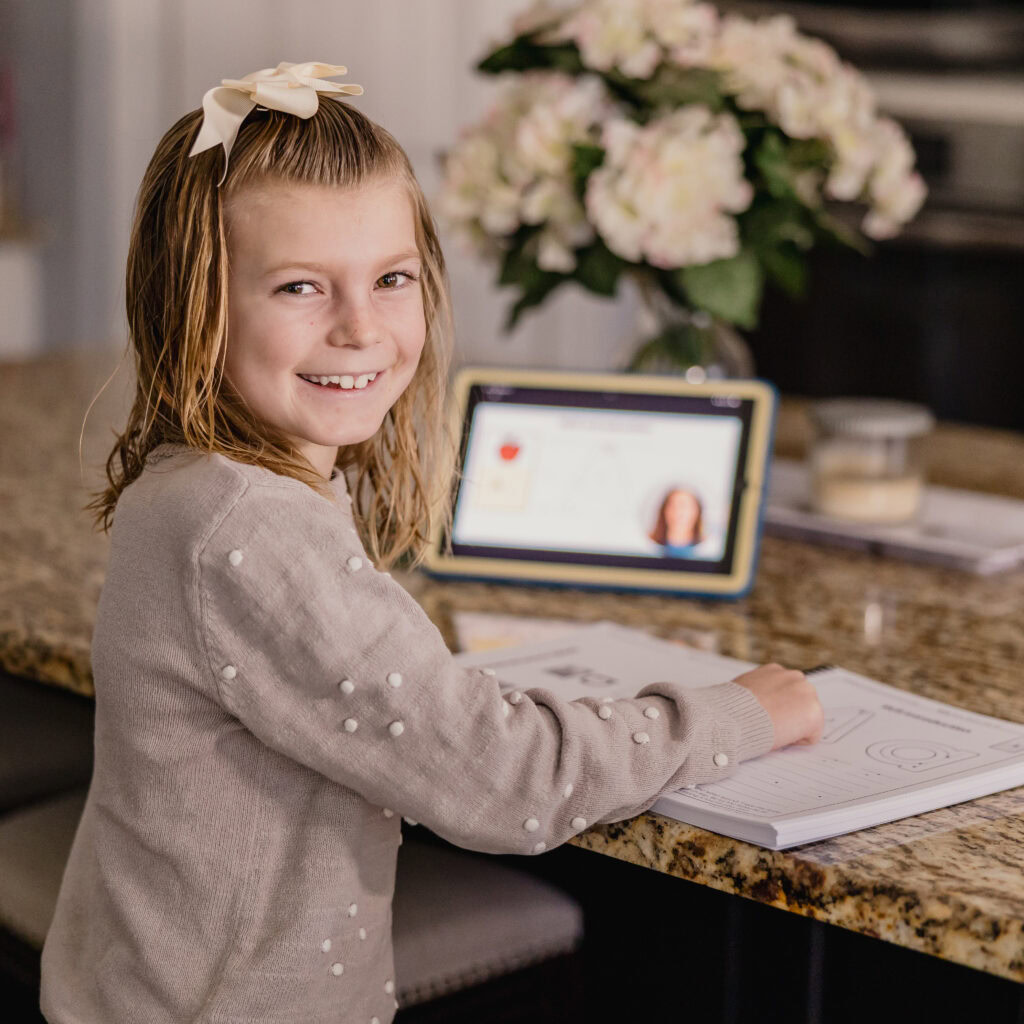
From there, you’ll get:
- A clear, personalized starting point based on your child’s current skill level
- Lesson plans and activities your child can begin right away
- A simple, step-by-step routine that fits into just 15 minutes a day
- A sense of relief that you finally know what to focus on and what you can skip
You won’t be guessing what to do next. You’ll have a plan tailored specifically to your child.
Start your free trial of Sure Start Reading and begin today.
You Don’t Have to Figure This Out Alone
Many parents feel pressure to become the expert when their child learns to read or has reading challenges. You do not need to figure it out on your own.
Sure Start Reading takes the guesswork out of helping your child learn to read. We do the teaching for you. Your child will watch short, engaging lessons and practice new skills step by step, while you support and celebrate their progress along the way.
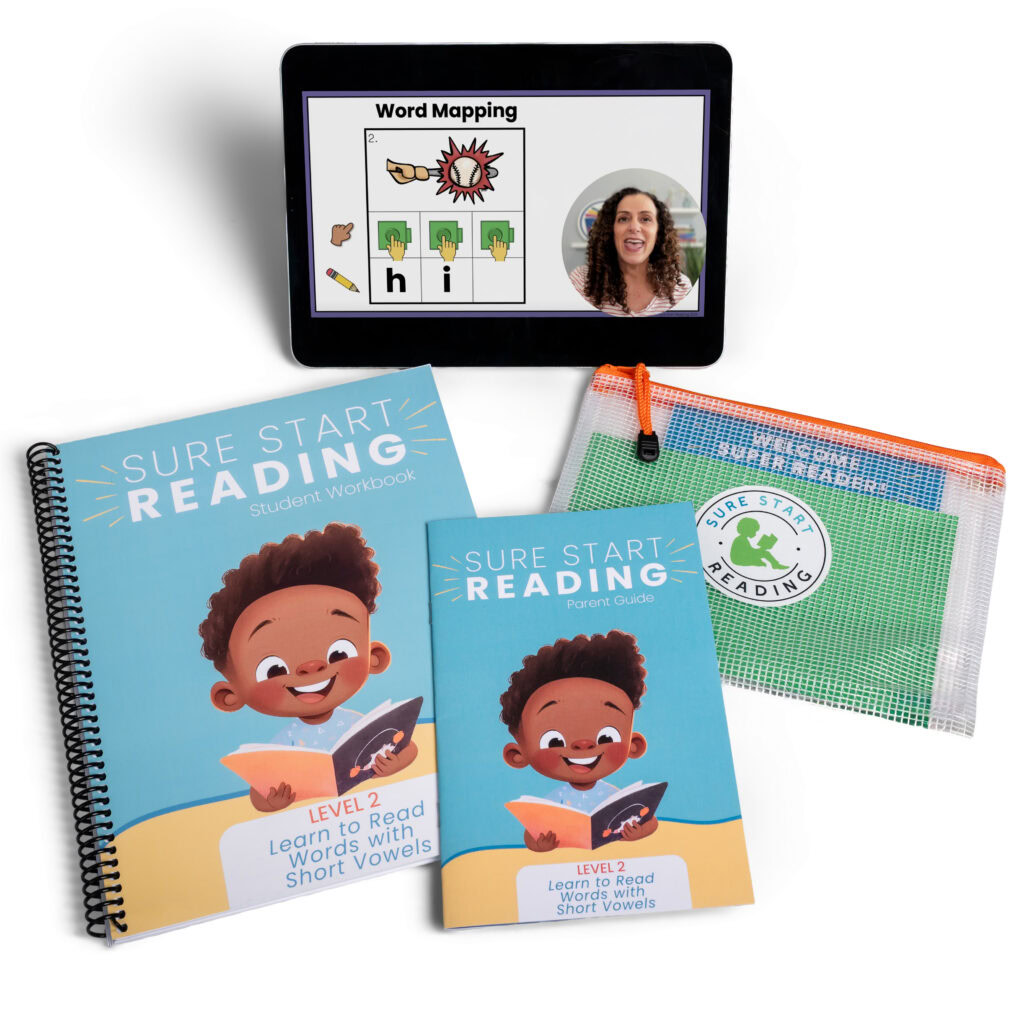
You do not need a teaching degree. You just need the right plan, and that’s exactly what we’ll provide you at Sure Start Reading.